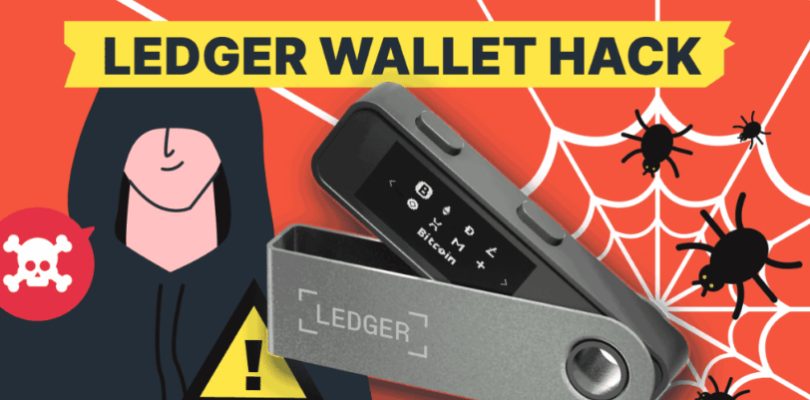
Reports of emptied wallets following purchases from CryptoBilis in Southeast Asia prompted a Ledger investigation into possible device tampering. The summary below outlines what Ledger has verified, who might be affected, and actions to safeguard assets; continue reading for the complete update.
What Occurred in the Ledger CryptoBilis Incident?
In early October 2026, users noted drained wallets after configuring hardware signers, leading Ledger to launch a review. By October 13, the firm stated that losses linked to its October 9 alert involved CryptoBilis signers, a Southeast Asian reseller. Ledger requested that CryptoBilis suspend sales and shipments, and the reseller halted distribution.
On October 15, Ledger reported that offenders acquired genuine devices, installed implants, and resold them via Southeast Asian resellers. It also urged resellers in Southeast Asia and Hong Kong to stop sales.

Distinguish Ledger’s findings from outside speculation—Ledger has not verified victim numbers or totals. Describing this as a ledger wallet hack or a broader crypto ledger hack in ledger hack 2026 headlines does not imply every product was compromised.
How the Suspected Hardware Implant Operated
Ledger Donjon noted that certain CryptoBilis signers contained an unauthorized hardware implant. An additional board reportedly captured screen data during setup—the 24-word seed or recovery phrase. A chip decoded the words and transmitted them via LTE using an eSIM.Ledger reports the implant as separate. It does not alter the Secure Element, OS, transactions, or signatures. Treat this as reported while the supply-chain attack investigation continues; it is not a confirmed remote exploit of a clean Nano S purchased from Ledger.
Who May Be Affected — and Who Is Not
- Highest risk: CryptoBilis buyers who completed setup so a recovery phrase appeared on that screen.
- Direct Ledger buyers differ.
- As of mid-October 2026, Ledger had not verified drains from signers bought elsewhere.
- Screened samples from its own stock were clean.
- This is a reseller or supply-chain issue after devices left Ledger—not proof that all Ledger devices are unsafe.
- See support.ledger.com for updates.
What to Do If You Bought a Ledger Device from CryptoBilis
- Unused: do not set it up. Contact verified official Ledger Support and keep order or device proof. Do not share secrets.
- Already set up: stop using that recovery phrase. Move funds on a trusted clean device to a new wallet or signer with a new phrase. Read how a seed phrase works and how to protect it first. Do not restore the old phrase on a CryptoBilis device.
- Contact verified official Ledger Support (support.ledger.com). Keep purchase and device proof for Ledger and, if needed, police. Do not open or ship the signer unless they instruct you.
- Never type a seed phrase on a website, app, chat, or email. Never send it to anyone claiming to be support.
- After moving funds, review how to secure your crypto wallet.
Was Ledger Itself Hacked?As of Ledger’s October 13–15, 2026 updates, there is no indication that Ledger systems, servers, chips, operating systems, or direct-purchase devices were compromised. Ledger reports an attack on distribution after devices left its control. This note reflects that date.
How to Buy and Use Hardware Wallets Safely
- Purchase from the manufacturer or an officially verified seller.
- Inspect packaging before setup.
- Use verified software.
- Keep the recovery phrase offline.
- Review guidance on securing your crypto wallet.
Final Recommendation
Buy hardware wallets only from the manufacturer or an officially verified seller. If the device might be